
Once A Month
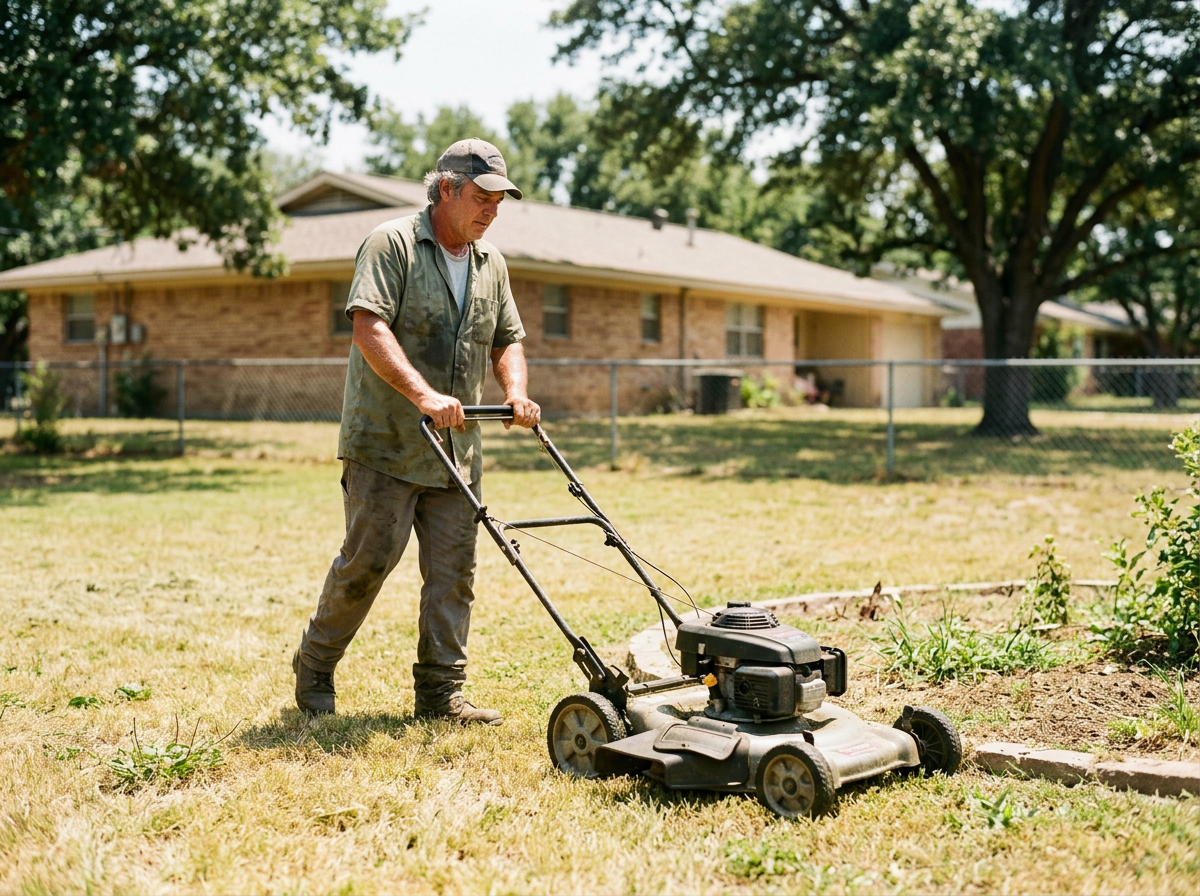
Lou has a lawn care business. He’s good at what he does. His customers are usually happy, and he’s making a decent living. He has eleven employees who work diligently in the heat of the summer sun.
Well, actually, I should say “had.” It closed earlier this year.
Why?
Even though he had a solid work ethic and committed employees, he fell into the trap many small business owners fall into. He was so busy working IN the business that he never got around to working ON the business. He never created systems, couldn’t keep up with taking care of the customers, never seemed to find the time to put timely quotes together for potential clients, didn’t know how to improve the culture of his employees, couldn’t imagine having time to drive around to check on his crew, and never followed up with clients after they were done.
He was just always scheduling, mowing, trimming, edging, raking, and repeating.
After a while, things started falling apart. Unhappy customers left. Uncared-for employees found other jobs. And his inability to step back and see the big picture made everything in his business feel overwhelming. Balls started dropping, and eventually it became too much, and he became another statistic.
Lou sounds a lot like many of the worship leaders we coach. They’re always scheduling, planning, leading, and repeating. They work IN their ministry (doing everything), but never ON their ministry. They think there’s simply no other way. But there is. There must be!
So I challenge you to create some space and distance so that you can work on your ministry. What would happen if you’d work toward worshiping “from the pew” once each month? Here. Schedule yourself off for the following Sundays:
September 13, October 25, November 22, and December 6.
Me, crazy?
Maybe you’re crazy to think you need to be up there every Sunday except your two off days a year. 50 out of 52?
I thought maybe if I give you target dates to shoot for, you may actually do it.
But Dave, you say, they hired me to lead worship, not to be led in worship.
Maybe.
But what if they really hired you to shepherd and develop the musicians, techs, and leaders? Here are five areas you can work on while you’re not on stage that Sunday.
The Lyrics
You may have a confidence monitor that lets you know how well the lyrics operator is keeping up. But when you’re standing with the congregation, you’ll gain a new appreciation for the timing of the lyrics. Your engagement is different when you’re not leading, but being led. You’ll realize you need to work with your lyrics operators, clarifying your expectations and creating systems to help them succeed. Or you’ll be able to thank them after the service for doing an outstanding job.
The Mix
Sit in different parts of the sanctuary each time you’re out there. Hear what they hear every week. They don’t have perfectly mixed in-ears. They are listening to those big old speakers blaring up there. Feel the balance of congregational singing and the band’s volume. Again, it will give you a roadmap to continue training your audio techs or pat them on the back for their musical ear.
How we look
I don’t mean your outfits' color coordination. I mean the non-verbals, the body language, the visual energy (or lack thereof). It will give you specific things to be working on with your team that have nothing to do with music or worship.
How the congregation worships
How many of you have trouble putting any of the “crowd mic” in your in-ear mix because you have one of those beautiful, loud, and tone-deaf worshipers that seem to bleed in? Even with the one-ear-in, one-ear-out method, you hear things in isolation. When you’re standing shoulder to shoulder with the congregation, you get a much better sense of what’s hitting and what’s not resonating. You may even think, “Why are we even doing this song?”
The leaders you are raising up
If you lead worship every week of the year yet never raise another worship leader, you’re missing half your job (and calling). The Church is called to make disciples. How are you doing that in your role? By raising up other worship leaders. Sometimes it helps to create (what feels like) an artificial need. Now you can say, “Kenny, I need you to lead worship on September 13, October 25, November 22, and December 6. Can you help me out with those dates?”
What’s one way you’d work ON your ministry if you could? And are you going to try to be in the congregation for those dates?
-Dave Helmuth
Author of the Five Faders and Founder of Ad Lib Music
Once A Month (Nº 484)



Why do some leaders succeed at building lasting worship ministries while others fail? In the Five Faders, Dave Helmuth explores the process of development and breaks down the lies, myths, and traps keeping you from being the fruitful leader God desires. Using decades of evidence-based insights, Dave reveals how understanding what motivates you is the first step in becoming a Five Faders Leader.
With our framework for becoming the best Artist, Shepherd, Priest, Educator, and Producer, you'll learn to slide each Fader up or down as Love requires you in each moment of leadership. Through relatable stories, insight gained from years of coaching worship teams in every kind of setting, and step-by-step advice, readers learn how to become the healthy expression of their Fader, build a culture of honor on your team to bring out the best in everyone, and be the most effective leader in the ever-changing landscape of ministry. Whether you’re looking to relieve frustration, increase confidence, or outlast change, this book offers the tools to become a Five Faders Leader.
Buy on Amazon at https://amzn.to/3WqUeKi.
DISCOUNTS: If you want to receive 10% off your order of 10 or more, order from this link and enter BULK10 to your order!

• Ceramic
• 11 oz mug dimensions: 3.79″ (9.6 cm) in height, 3.25″ (8.3 cm) in diameter
• 15 oz mug dimensions: 4.69″ (11.9 cm) in height, 3.35″ (8.5 cm) in diameter
• Lead and BPA-free material
• Colored rim, inside, and handle
• Dishwasher and microwave safe
Whether to fill it with Costa Rican coffee is up to you.